
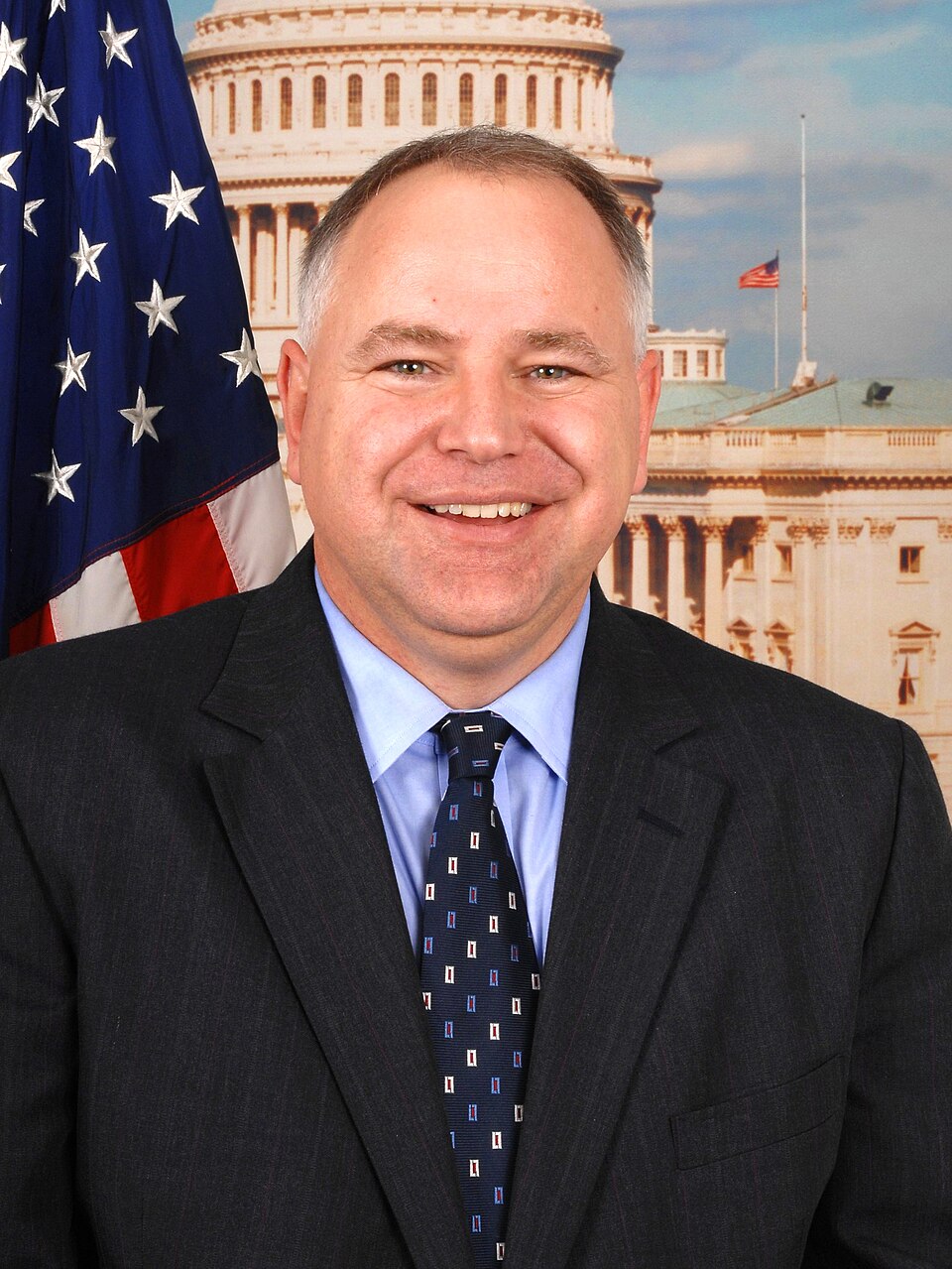
Minnesota Gov. Tim Walz's administration is facing a state fraud scandal involving $9 billion to $16 billion in potential losses, a development that political analysts say could reshape the electoral landscape ahead of the 2026 midterm elections.
The scope of the alleged fraud, which reportedly occurred within state programs administered under Walz's administration, has drawn national attention as Democrats seek to maintain their political momentum heading into next year's congressional elections.
What the Left Is Saying
Democratic allies of Governor Walz have emphasized that the alleged fraud occurred within a complex state bureaucracy and that the administration has moved to address any wrongdoing once it was identified. Supporters note that no charges have been filed against Walz himself, and they point to the governor's broader record on education, healthcare, and economic policy.
Progressive commentators have argued that the fraud scandal is being weaponized by political opponents ahead of the 2026 cycle. They note that similar administrative challenges have occurred under governors of both parties and argue that focusing on one state-level issue obscures the broader Democratic agenda.
Some Democratic strategists have suggested that voters in 2026 will ultimately judge the party on federal issues including economic performance, healthcare costs, and reproductive rights rather than state-level administrative matters.
What the Right Is Saying
Republican critics have seized on the fraud allegations as evidence of Democratic incompetence in governance. Congressional Republicans have called for hearings into how such a large sum could be potentially misspent without adequate oversight.
Conservative commentators have framed the scandal as symptomatic of what they describe as Democratic mismanagement and wasteful spending. They argue that the incident undermines Democratic arguments about competent governance and fiscal responsibility.
National Republican campaign operatives have identified Minnesota as a potential vulnerability for Democrats, noting that the state's political battlegrounds could be affected by voter concerns about administrative competence. Some have suggested the scandal could provide Republicans with ammunition in competitive House and Senate races.
What the Numbers Show
The reported fraud range of $9 billion to $16 billion represents a significant portion of Minnesota's state budget. For context, Minnesota's biennial budget is approximately $70 billion, meaning potential losses could account for roughly 13% to 23% of state spending over a two-year period.
The 2026 midterm elections will determine control of both chambers of Congress. Democrats currently hold a narrow majority in the Senate and face a challenging map that includes defending seats in several states won by former President Trump in 2024.
Historical data shows that the president's party typically loses seats in midterm elections. Since World War II, the president's party has lost an average of 26 House seats in midterms, suggesting Democrats face structural headwinds regardless of specific issues.
The Bottom Line
The Tim Walz fraud scandal represents a significant political liability for Democrats as they head into the 2026 election cycle. While the full extent of the alleged fraud and any potential criminal referrals remains under investigation, Republicans have already begun using the issue to question Democratic governance.
Democrats will need to navigate questions about state-level oversight while emphasizing federal policy achievements. How the party addresses this liability could determine whether Republicans gain ground in what is already expected to be a challenging midterm environment for the incumbent president's party.
Voters will ultimately decide whether the Walz administration scandal becomes a defining issue of the 2026 election or fades amid broader economic and policy debates. The coming months will likely see continued scrutiny of Minnesota's programs and potential congressional investigation into federal oversight mechanisms.